New Westminster top Concrete Contractor for Professional Concrete Work
New Westminster top Concrete Contractor for Professional Concrete Work
Blog Article
Experienced Concrete Contractor for All Your Construction Needs
Retaining a experienced concrete contractor is essential for the success of any construction project. Their expertise guarantees that tasks are completed efficiently and to a premium standard. These professionals address challenges with capability and have cultivated connections that simplify material sourcing. Understanding local regulations and valuing safety are also key aspects of their role. Yet, many fail to recognize the long-term benefits of choosing the right contractor. What criteria should one weigh when making this important decision?
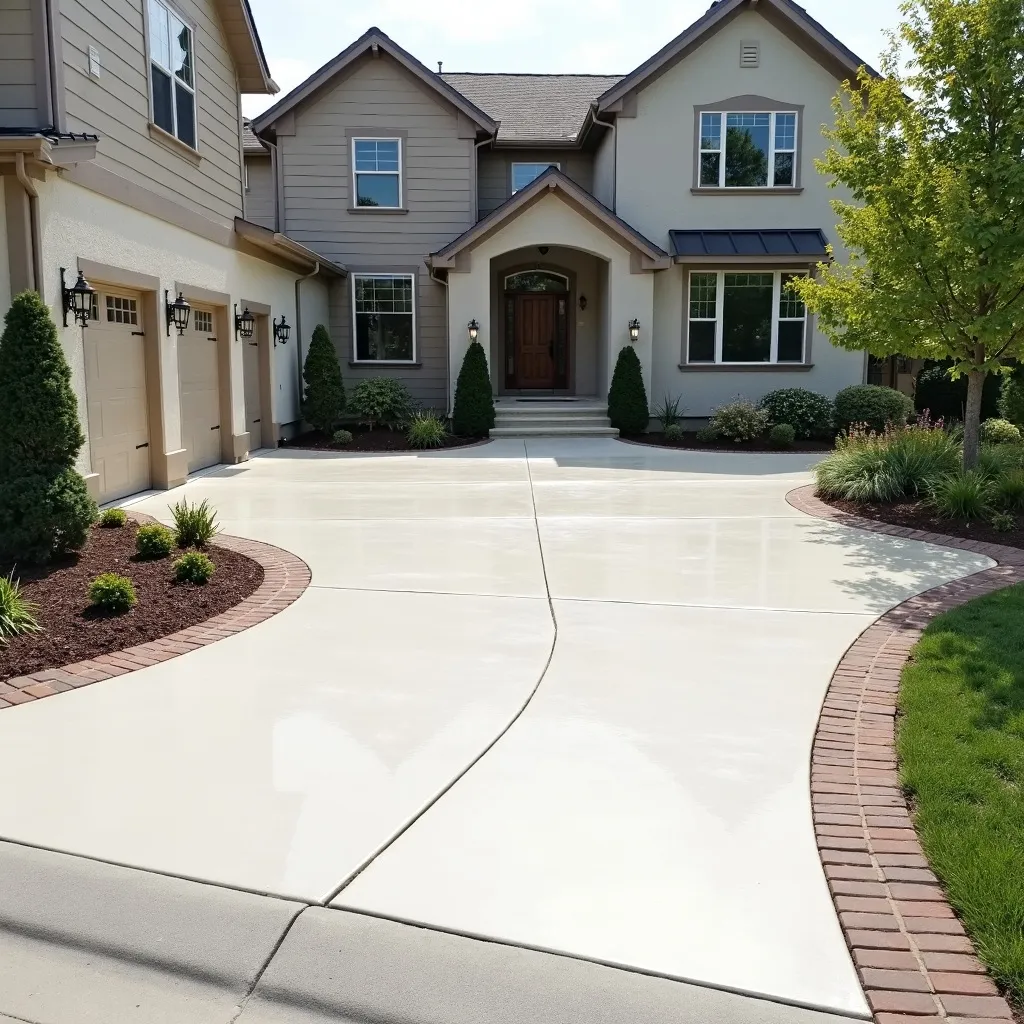
Why Bringing on a Knowledgeable Concrete Contractor Is Essential
When examining a building undertaking, the importance of choosing an experienced concrete contractor cannot be understated. An knowledgeable contractor offers a substantial amount of understanding and expertise that are critical for maintaining the quality and resilience of concrete work. Their experience with different strategies and materials allows for superior decision-making, in turn generating a more solid and stable structure.
Also, veteran contractors are adept at managing likely difficulties that may arise during the building undertaking. They are equipped to handle unforeseen complications efficiently, reducing delays and supplementary expenses. In addition, an veteran contractor frequently has established relationships with suppliers and subcontractors, which can enhance the sourcing of materials and resources.
Key Attributes of a Dependable Concrete Contractor
A trustworthy concrete contractor has multiple essential qualities that distinguish them in the building sector. First and foremost, excellent communication abilities are vital; they guarantee that clients are kept updated during the entire project, building confidence and understanding. Additionally, a solid reputation established through favorable client reviews and recommendations demonstrates a contractor's reliability and quality of work.
In addition, competence in various concrete applications, together with understanding of the latest techniques and materials, allows them to offer superior results. Attention to specifics is another important quality, as it guarantees precise measurements and rigorous standards of workmanship.
Ultimately, a dedication to safety and compliance with rules demonstrate professionalism and responsibility. By displaying these attributes, a reliable concrete contractor not only meets client requirements but also contributes to positive project results, rendering them essential in the construction industry.
How to Pick the Right Concrete Project for Your Requirements
Choosing the best concrete project requires careful consideration of exact needs and objectives. Individuals should start by reviewing the intended use of the concrete, whether for driveways, foundations, or decorative elements. A clear understanding of the project's purpose steers the selection of materials and methods.
Next, financial boundaries represent an essential role. Analyzing current monetary assets helps in determining the scale and complexity of the project. Additionally, the local climate can determine the choice of concrete type and curing techniques, ensuring durability and longevity.
It is also vital to account for the schedule for project completion. Some concrete applications require time for curing, which may affect scheduling. Consulting with an skilled concrete professional can deliver valuable insights into the recommended techniques and possible choices. Ultimately, matching the project's specifics with individual needs leads to a successful concrete project that achieves the desired outcomes.
What You Must to Grasp About Local Concrete Regulations?
Comprehending local concrete regulations is essential for any construction project, as these rules dictate various aspects of concrete usage, including material specifications, installation methods, and ecological factors. These regulations are typically established by municipal or state authorities and can differ significantly from one location to another.
Contractors must understand zoning laws, which can affect where concrete structures may be built. Additionally, building codes often specify the required strength and composition of concrete mixes, ensuring safety and durability. Environmental regulations may also mandate the use of eco-friendly materials and proper waste disposal methods to minimize environmental impact.
Noncompliance with these regulations can trigger fines, construction delays, or even lawsuits. In turn, liaising with local authorities early in the planning process is advisable. Knowing and adhering to these regulations not only promotes community safety but also strengthens the integrity of the construction project.
Ways Experienced Specialists Reduce You Valuable Hours and Costs
Skilled contractors hold a important part in enhancing construction projects, allowing clients to benefit from both time effectiveness and cost cuts. Their extensive experience enables them to work through complex tasks expeditiously, reducing the overall project timeline. By drawing upon industry connections, skilled contractors often secure better costs on materials, translating to lower expenses for clients.
In addition, their familiarity with local codes secures adherence, which curtails the exposure of prohibitive lags and citations. Effective project execution is another key advantage, as these consultants coordinate work crews and capital, preventing impediments that can lead to increased charges.
Moreover, by employing established methods, skilled professionals mitigate the likelihood of mistakes, which can result in costly revisions. Ultimately, engaging a seasoned contractor not only enhances the quality of the similar information project but also maximizes budget allocation, making it a sound investment for any construction endeavor.
The Value of Superior Supplies and Methods in Concrete Work
Quality in concrete work is paramount, as it directly influences the durability and longevity of any construction project. The selection of high-grade materials plays a essential role; inferior concrete can lead to cracking, erosion, and structural failure over time. Using quality aggregates, cement, and additives ensures that the final product can withstand environmental stresses and heavy loads.
Moreover, leveraging advanced techniques throughout the mixing, pouring, and curing processes markedly enhances the solidity of the concrete. Proper mixing ratios and curing methods help reaching supreme strength and reduce defects. Experienced specialists understand these nuances and implement best practices to secure excellent performance.
Ultimately, investing in high-quality materials and methods not only enhances the structural performance but also reduces long-term maintenance costs. This foundation of reliability is essential for both commercial and residential projects, assuring that they stand the test of time. Concrete work quality is an investment with significant returns.
Often Requested Questions
What Types of Cement Services Do Professionals Typically Offer?
Concrete contractors generally offer a variety of services including foundation pouring, driveway installation, decorative concrete work, slab construction, patio and sidewalk building, repair and resurfacing, as well as concrete demolition and recycling.
What is the typical timeframe for a basic concrete project?
A conventional concrete project typically takes from one to three days, subject to factors such as project size, complexity, weather conditions, and curing time. More substantial or elaborate projects may necessitate additional time for completion.
What Are the Typical Signs of Poor Concrete Work?
Common warnings of poor concrete application feature visible cracks, uneven surfaces, faulty water flow, discoloration, flaking, and granular breakdown. These issues typically point to incomplete setting, incorrect proportioning, or inadequate setup, compromising the structure's integrity and lifespan.
May I Inquire about Tailored Designs for My Concrete Project?
Yes, individualized designs for concrete construction can be requested. Many contractors allow customization in design, allowing clients to blend in unique features and aesthetics that reflect their vision, enhancing both performance and beauty.
In What Ways Do Atmospheric Conditions Influence the Curing of Concrete?
Climate conditions greatly impact concrete curing. High temperatures can accelerate drying, leading to cracking, while cold can impede the process, jeopardizing incomplete hydration. Ideal curing necessitates moderate temperatures and controlled moisture to guarantee durability and strength.
Report this page