Experience Quality Work with New Westminster top Concrete Contractor
Experience Quality Work with New Westminster top Concrete Contractor
Blog Article
Experienced Concrete Contractor for All Your Building Needs
Engaging a qualified concrete contractor is critical for the success of any construction undertaking. Their expertise secures that tasks are executed efficiently and to a high standard. These specialists manage challenges with skill and have established relationships that facilitate material sourcing. Grasping local regulations and placing emphasis on safety are also critical dimensions of their role. Yet, many overlook the sustained value of choosing the right contractor. What factors should one consider when making this important decision?
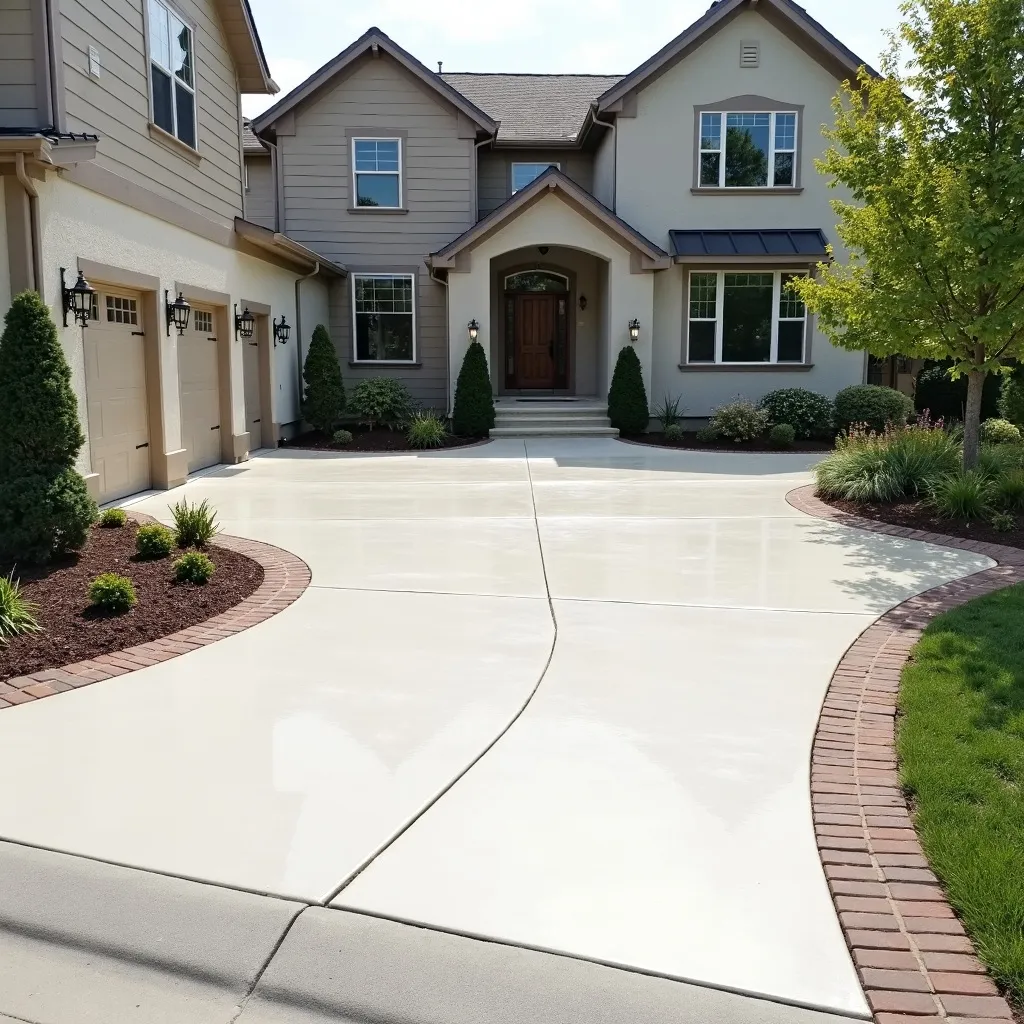
Why Choosing an Accomplished Concrete Contractor Holds Value
When examining a construction project, the importance of selecting an veteran concrete contractor is essential. An experienced contractor delivers a considerable quantity of knowledge and competencies that are important for upholding the caliber and resilience of concrete work. Their experience with diverse approaches and substances allows for superior judgment, explore the facts as a result creating a sturdier and stable structure.
Additionally, veteran contractors are proficient in overcoming conceivable obstacles that may come up during the building timeline. They are capable to resolve surprising setbacks efficiently, limiting delays and excess expenses. In addition, an experienced contractor often maintains established relationships with suppliers and subcontractors, which can streamline the procurement of materials and resources.
Important Traits of a Credible Concrete Contractor
A dependable concrete contractor has multiple crucial characteristics that set them apart in the construction industry. Primarily, excellent communication abilities are fundamental; they ensure that customers are informed throughout the project, building confidence and understanding. Additionally, a solid reputation established through favorable client reviews and referrals demonstrates a contractor's dependability and work quality.
Moreover, proficiency with various concrete applications, along with understanding of the latest techniques and materials, allows them to deliver superior results. Careful attention to specifics is another important quality, as it ensures precise measurements and excellent levels of workmanship.
At last, a commitment to safety and adherence to regulations indicate expert conduct and reliability. By adopting these qualities, a reliable concrete contractor not only exceeds client expectations but also contributes to successful project outcomes, proving them crucial in the construction industry.
Steps to Choose the Best Concrete Project for Your Needs
Picking the appropriate concrete undertaking requires detailed thought of specific needs and objectives. Individuals should initiate by assessing the intended use of the concrete, whether for driveways, foundations, or decorative elements. A clear recognition of the project's purpose guides the selection of materials and methods.
Next, budget constraints have an essential role. Analyzing existing budgetary resources helps in determining the size and sophistication of the project. Additionally, the local climate can shape the choice of concrete option and finishing techniques, providing durability and longevity.
It is also important to take into account the timeframe for completing your project. Some concrete applications require curing time, which may affect scheduling. Speaking with an experienced concrete contractor can provide valuable insights into the best practices and possible choices. In the end, aligning the specific details of your project with personal requirements leads to a successful concrete project that achieves the desired outcomes.
What You Require to Learn About Local Concrete Regulations?
Comprehending local concrete requirements is crucial for any construction project, as these rules govern various elements of concrete application, including composition standards, placement procedures, and environmental considerations. These regulations are typically established by municipal or state authorities and can differ significantly from one location to another.
Contractors ought to familiarize themselves with zoning laws, which can influence where concrete structures may be placed. Additionally, building codes regularly prescribe the required strength and composition of concrete mixes, guaranteeing safety and durability. Environmental regulations may also require the use of eco-friendly materials and proper waste disposal methods to reduce environmental impact.
Disregarding these regulations can cause charges, timeline delays, or even judicial proceedings. Thus, engaging with local authorities during the early planning stages is suggested. Understanding and following these regulations not only cultivates community safety but also reinforces the integrity of the construction project.
Professional Builders Reduce You Hours and Costs
Professional contractors play a key position in improving construction projects, allowing clients to benefit from both time optimization and cost reductions. Their deep knowledge enables them to navigate complex tasks swiftly, reducing the overall project timeline. By leveraging industry connections, professional contractors often negotiate better rates on materials, leading to lower costs for clients.
Additionally, their knowledge of local statutes guarantees compliance, which minimizes the possibility of pricey delays and fees. Proficient project administration is yet another critical advantage, as these professionals coordinate employees and supplies, preventing bottlenecks that can generate amplified outlays.
Moreover, by utilizing established methods, expert contractors reduce the likelihood of mistakes, which can cause expensive rework. Ultimately, engaging a seasoned contractor not only enhances the caliber of the project but also optimizes financial resources, making it a wise choice for any construction endeavor.
Why Top-Tier Materials and Processes Matter in Concrete Work
Quality in concrete work is vital, as it directly shapes the durability and longevity of any construction project. The choice of high-grade materials plays an important role; inferior concrete can lead to cracking, erosion, and structural failure over time. Using quality aggregates, cement, and additives confirms that the final product can withstand environmental stresses and heavy loads.
Furthermore, employing advanced techniques throughout the mixing, pouring, and curing stages markedly enhances the integrity of the material. Proper mixing ratios and hardening techniques help achieving optimal strength and reduce weaknesses. Skilled contractors comprehend these nuances and apply best practices to ensure superior outcomes.
Ultimately, investing in quality materials and techniques not only improves the structural integrity but also reduces long-term maintenance costs. This foundation of reliability is crucial for both commercial and residential projects, ensuring that they stand the test of time. Concrete work quality is an investment with significant returns.
Regularly Asked Questions
Which Categories of Cement Services Do Professionals Frequently Offer?
Concrete contractors typically provide a variety of services including foundation pouring, driveway installation, decorative concrete work, constructing slabs, creating sidewalks and patios, repairing and resurfacing, as well as demolition and recycling of concrete.
What duration should you expect for a standard concrete undertaking?
A standard concrete project commonly takes from one to three days, contingent on factors such as project size, complexity, weather conditions, and curing time. Larger or more intricate projects may demand additional time for completion.
What Are the Typical Indicators of Poor Concrete Work?
Observable signs of inferior concrete execution feature visible cracks, uneven surfaces, improper drainage, pigmentation changes, flaking, and fine powder loss. These defects frequently suggest insufficient curing time, faulty mixture, or lacking preparation, compromising the structure's integrity and service life.
Can I Request Custom Designs for My Concrete Project?
Yes, individualized designs for concrete projects can be demanded. Many contractors offer flexibility in design, allowing clients to blend in one-of-a-kind elements and aesthetics that align with their objectives, enhancing both functionality and visual appeal.
What Impacts Do Weather Conditions Have on Concrete Curing?
Weather conditions greatly bear on concrete development. High temperatures can quicken drying, bringing about cracking, while cold can slow the process, risking incomplete hydration. Ideal curing requires moderate temperatures and controlled moisture to warrant durability and strength.
Report this page